Urban Heat Islands

How vegetation keeps cities cool - a tale of two capitals

Scroll

Cities Are Heating Up

On a summer day, cities can be 5-10°C hotter than surrounding countryside. Dark surfaces absorb sunlight. Concrete stores heat. Air conditioners pump hot air into streets.

This is the Urban Heat Island effect - and it's getting worse as cities grow and summers get hotter.

52°C

Surface temperature measured by satellite over Barcelona's urban core on a summer afternoon. Hot enough to burn bare feet.

Seeing Heat From Space

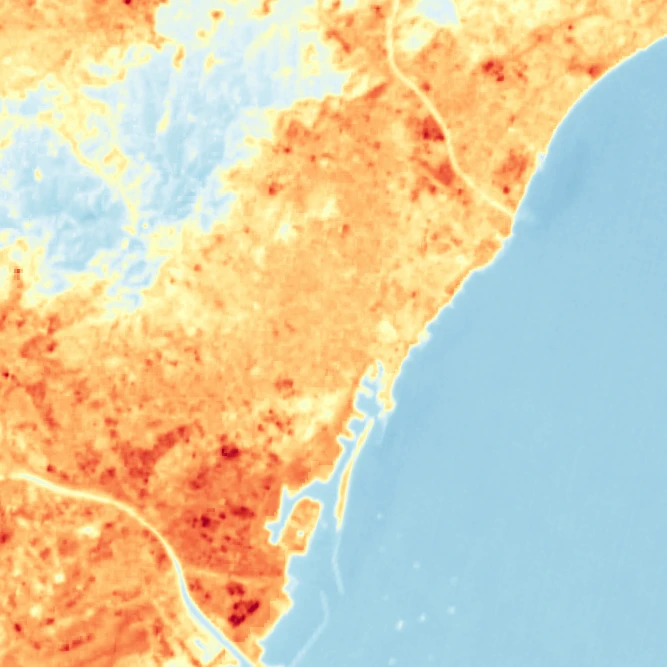
Landsat satellites carry thermal sensors that measure surface temperature. Blue areas are cooler, red areas are hotter.

Barcelona surface temperature
Barcelona - August 20, 2024

Range: 27°C to 52°C. The urban core glows red.

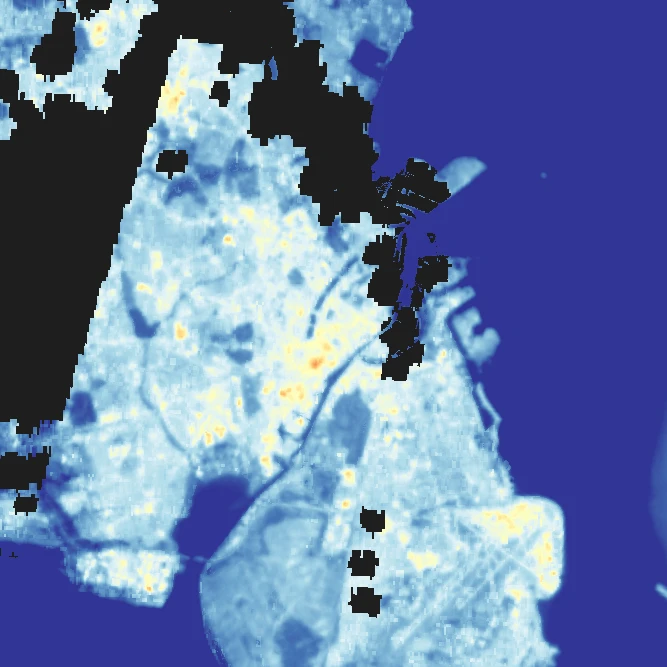
Copenhagen surface temperature
Copenhagen - August 7, 2024

Range: 11°C to 42°C. More blue, more green spaces visible.

Cool (20°C)
Hot (50°C)

The Cooling Power of Green

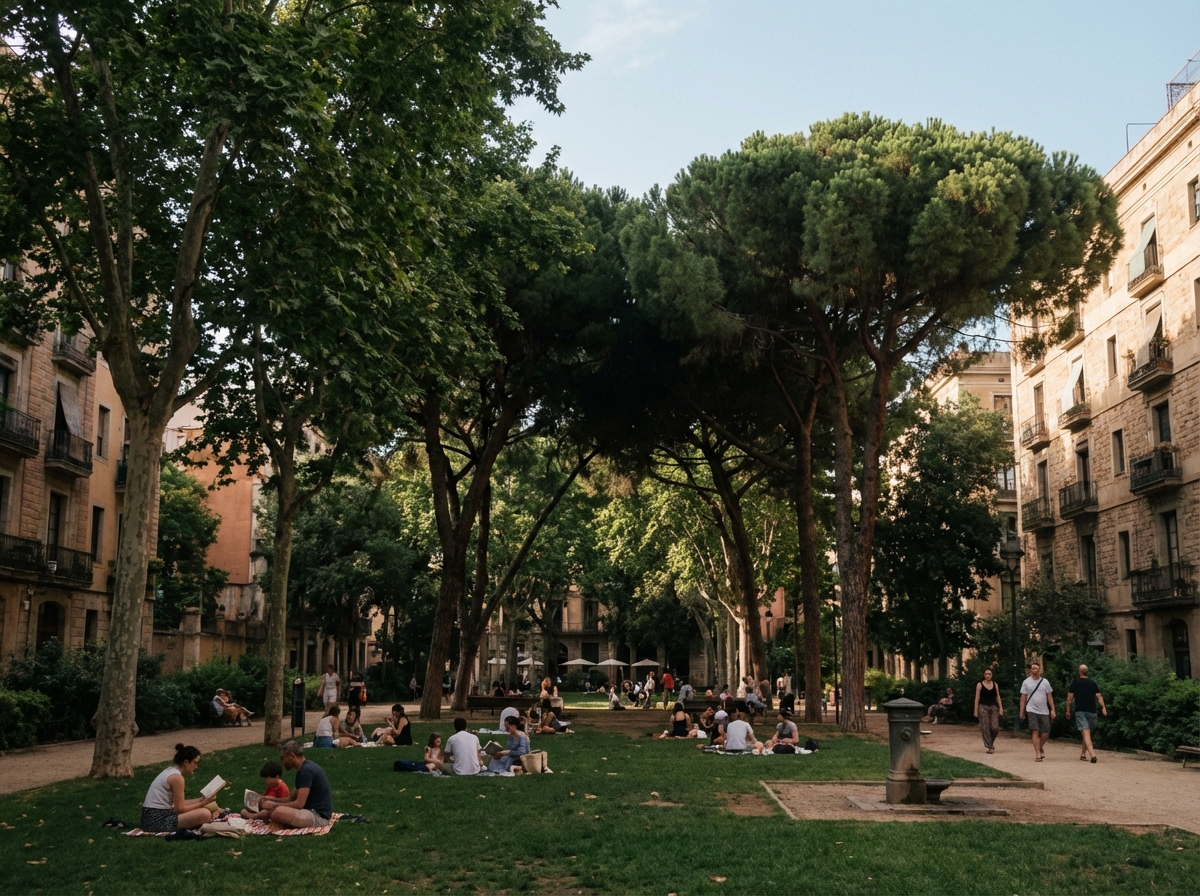
Trees and plants cool cities in two ways: shade blocks sunlight, and evapotranspiration releases water vapor that absorbs heat.

A single mature tree can provide the cooling equivalent of 10 room-sized air conditioners running for 20 hours.

Two Cities, Two Stories

Barcelona Avg: 35°C

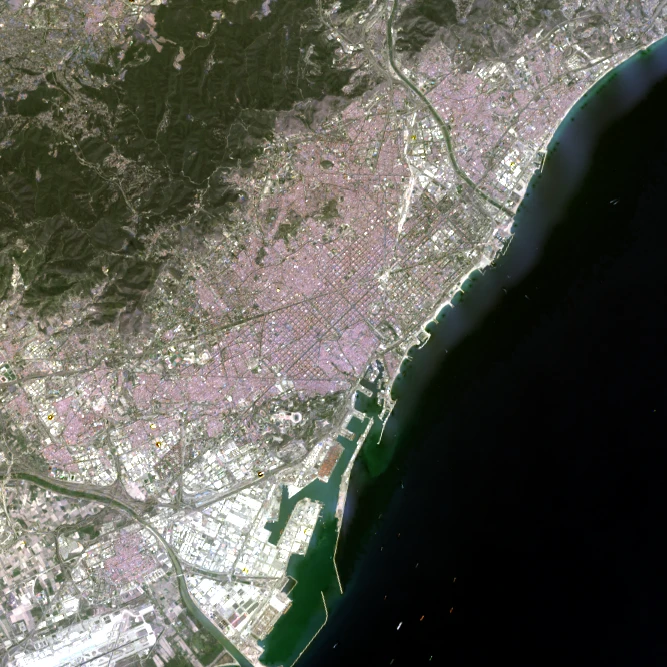
Barcelona satellite view
Satellite View
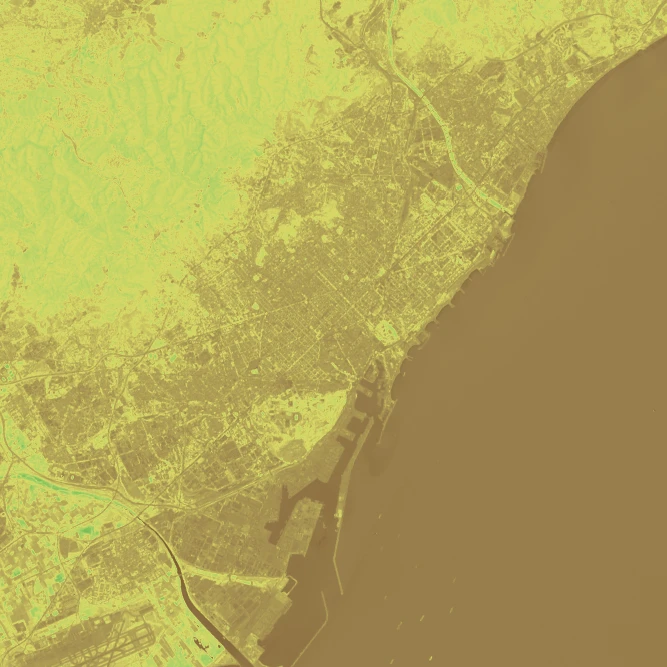
Barcelona vegetation
Vegetation (NDVI)
52°C
Peak Temp
0.10
Mean NDVI

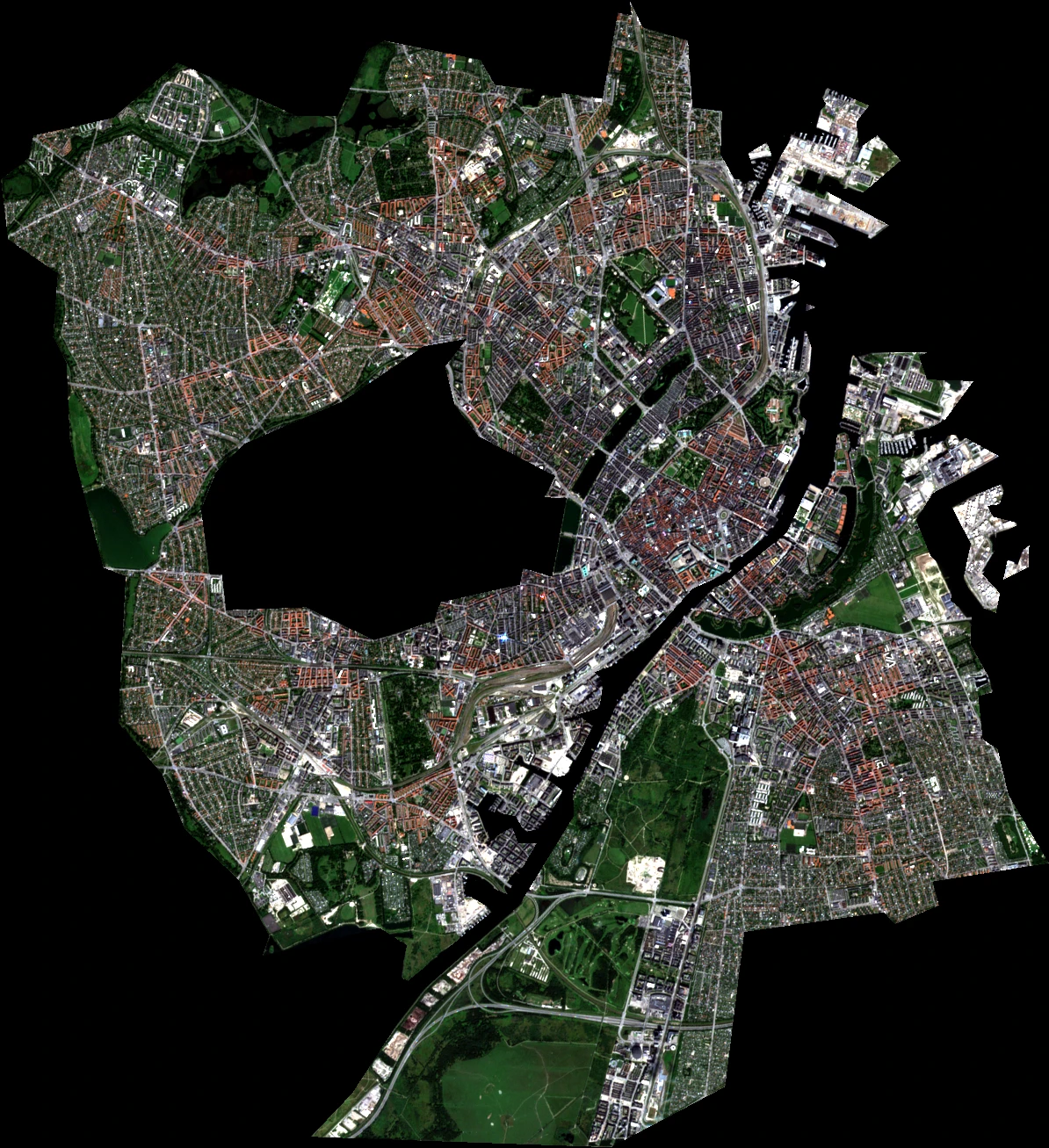
Copenhagen Avg: 24°C

Copenhagen satellite view
Satellite View
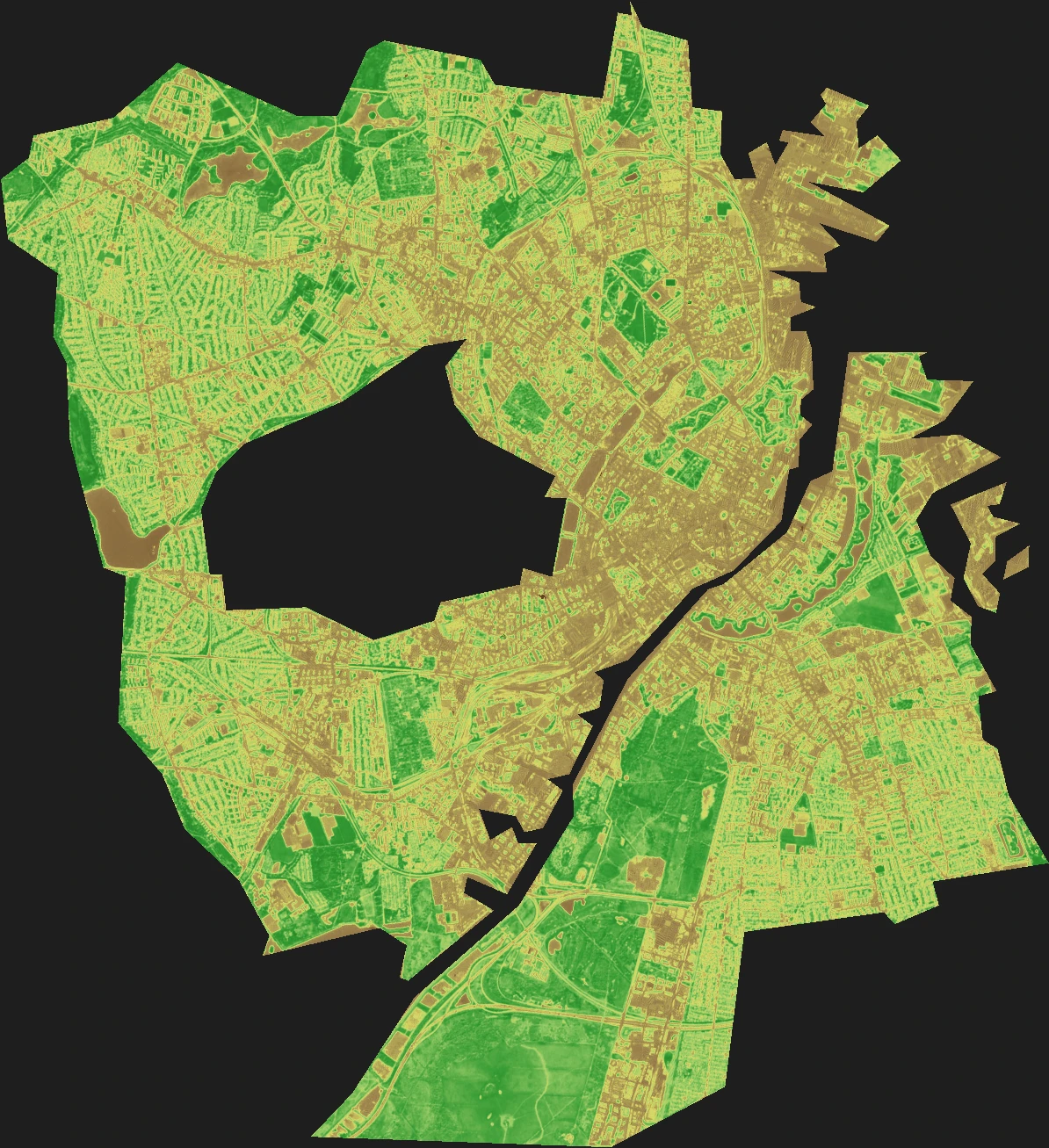
Copenhagen vegetation
Vegetation (NDVI)
42°C
Peak Temp
0.28
Mean NDVI
3x

Copenhagen has nearly three times the vegetation density of Barcelona - and surface temperatures 10°C cooler on average.

The Pattern Is Clear

Within every city, the relationship holds: neighborhoods with more vegetation have lower surface temperatures. Parks are cool islands in a sea of heat.

This isn't just about comfort - extreme heat kills more people than any other weather event. Green infrastructure saves lives.

What Cities Can Do

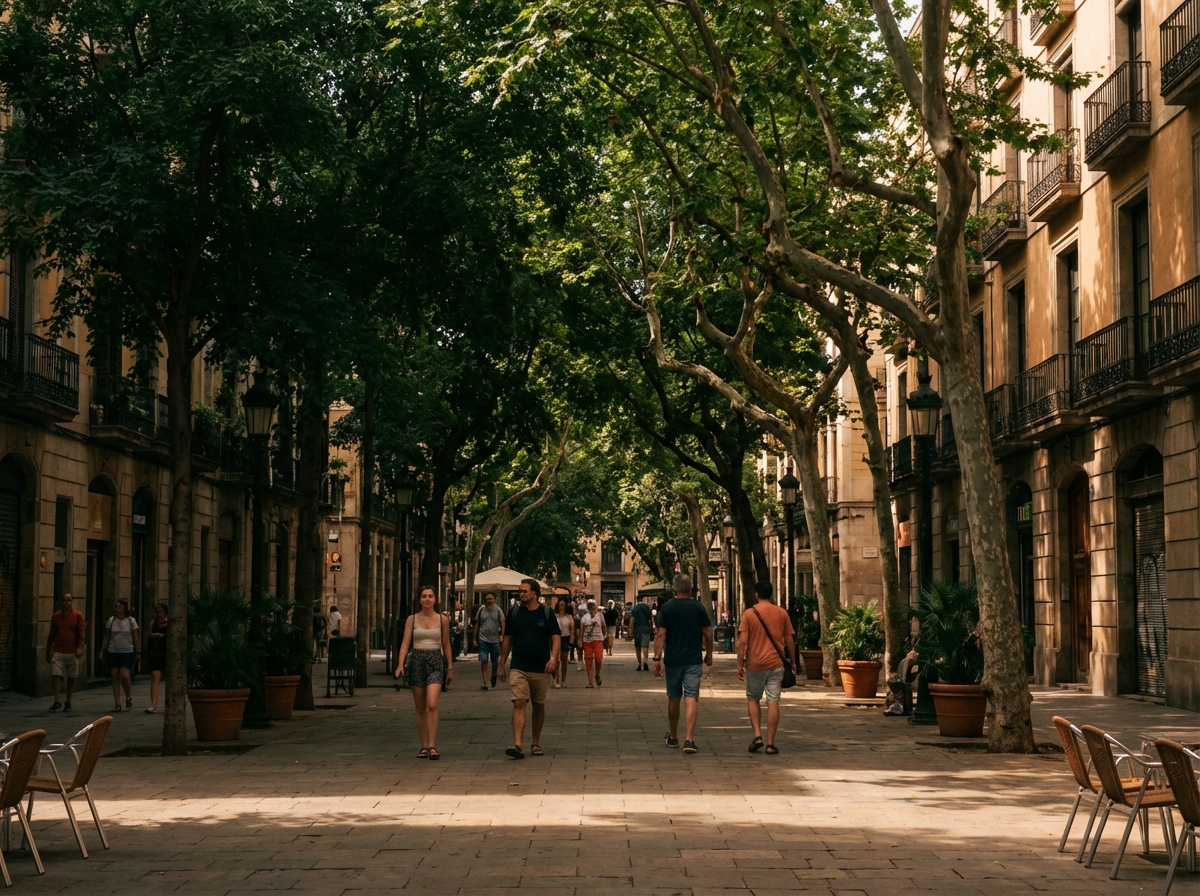
Street Trees

Street Trees

Trees along streets provide shade and cooling where people walk.

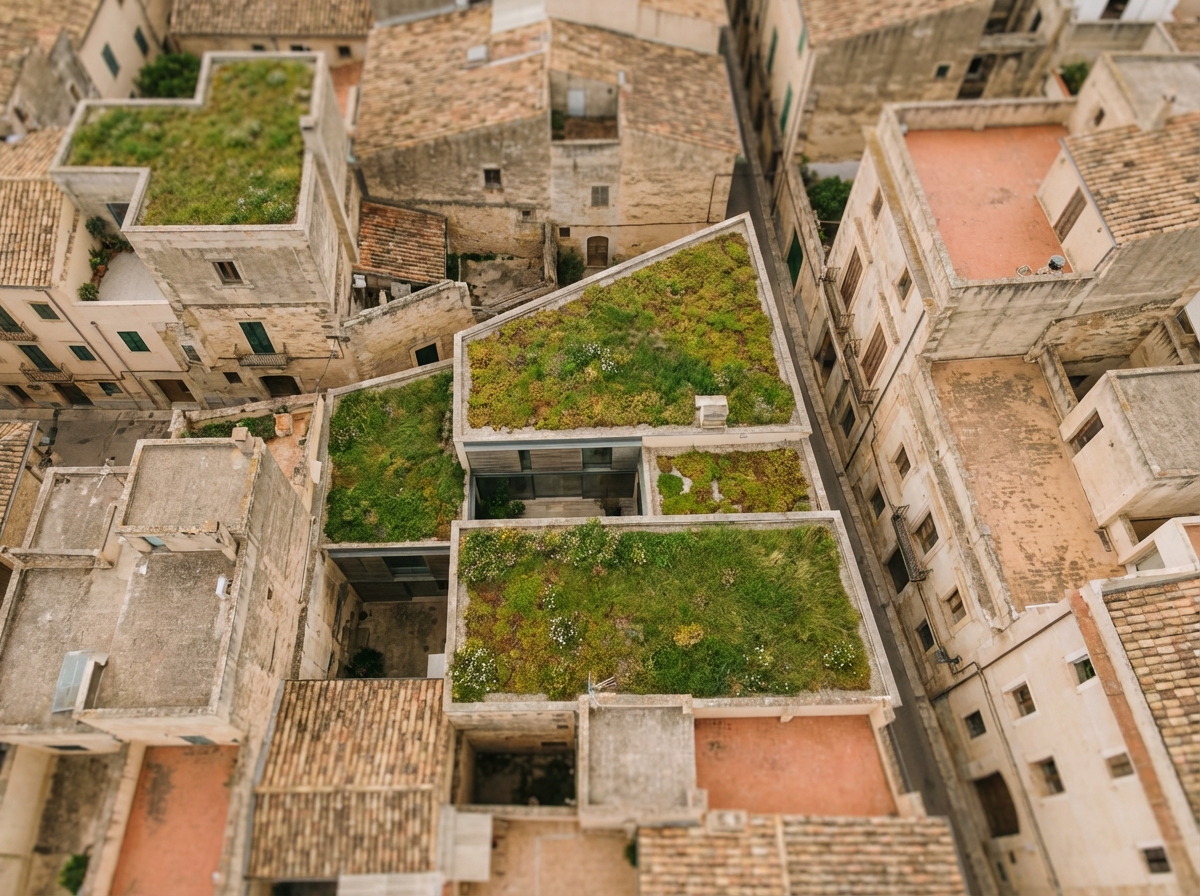
Green Roofs

Green Roofs

Vegetation on rooftops reduces building temperatures and runoff.

Urban Parks

Urban Parks

Parks create cool zones that benefit surrounding neighborhoods.

Every Tree Counts

As climate change intensifies heat waves, urban vegetation becomes critical infrastructure. The data shows which neighborhoods need green investment most.